
Ever since I was a girl I've enjoyed being able to name things in the natural world. Walking the woods and waste grounds of my childhood I would feel a flush of recognition and pride if I came across a tree or a wild flower that I knew. I don't know that there were a huge number that I recognised - wild garlic in the spring, the oak tree and the bluebell were perhaps the only names that came easily to mind - but even this basic knowledge helped me feel part of that landscape. I felt I knew my neighbours.
There were all the usual special places and secret spots - up in the trees or in tangled dens beneath them - long summers were lived in these semi-wilds. I loved them without thinking and when one little patch of woodland was threatened by someone extending their garden, I was angry and grieved for the lost trees when they were gone.


In his book Last Child in the Woods, Richard Louv talks about the need for children to be familiar with their own natural neighbourhood and the occupants of it before they can be expected to care about the earth on a grander, more abstract scale. Faced with the entire planet to worry about, we can be forgiven for feeling overwhelmed. When so much of our natural world faces extinction it makes sense to start with what we know and can name; learning to care about 'the environment' comes as a result of learning to care about our own backyard.


All this feels particularly pertinent in the light of the threat to ash trees. Having read this heartbreaking piece about ash die back, in which the writer gives the bleak view that most people are oblivious to the tragedy happening in our woodlands, this seems more true than ever. If it is the case that 'many people couldn't identify an ash' then what hope is there that they would feel any sadness for its loss? If the general feeling is that one tree is after all much like another, how can we hope to truly be of use to our ailing planet? Diversity is what makes this world go round. The exquisite uniqueness of literally every living thing on or under the surface of this spinning rock is what provides the wonder and magic of our existence.


My naturalist knowledge hasn't improved a massive amount since my early days scrabbling through tatty woods, but I continue to be an earnest learner and I'm trying to encourage a similar curiosity in my children.
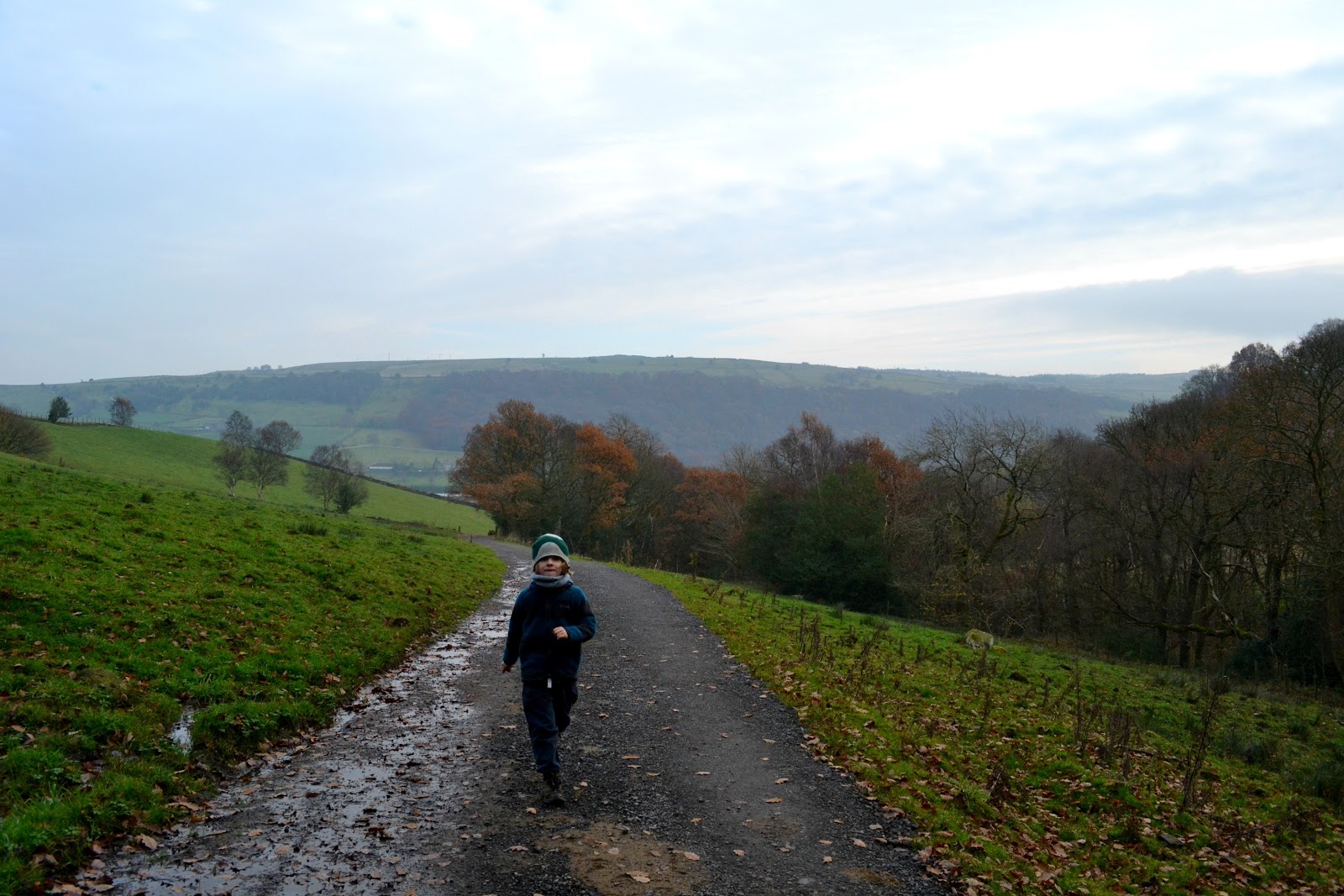
This year, as Monty's legs have grown a little longer, we have spent more time walking, looking and gathering than ever before. Eli has become a keen spotter of wild foods and ash saplings and Monty has fully immersed himself in any berry-picking activities he's been involved in. They have become connoisseurs of dramatic skies and Eli often urges me to 'take a picture!' of a lovely view or a striking flower.


Helping them to know and love the play of light in the woodland, the eerie silence and bleak beauty of the moor, the brooding Pennine skies and the capricious moods of our Northern weather is a constant pleasure. Forging a connection with this place is the key to connection with all natural places, helping us to understand that 'the environment' is something immediate and necessary. No need for worksheets, a pair of sturdy shoes is all that's required. Together we map the seasons of our own backyard,


